

The Essential Role of Certified Home Health Aides in Senior Care and Medication Management
Caring for seniors at home involves more than just companionship. It requires skilled assistance that supports daily living activities and ensures proper medication management. Certified Home Health Aides (CHHAs) play a crucial role in delivering this care, helping seniors maintain their independence and health safely. This post explores why CHHAs are essential for personal care assistance combined with medication management in senior homecare.
Why Personal Care Assistance Matters for Seniors
As people age, they often face challenges with everyday tasks such as bathing, dressing, grooming, and mobility. These activities, known as activities of daily living (ADLs), are essential for maintaining dignity and quality of life. When seniors struggle with ADLs, their risk of injury, isolation, and health decline increases.
Certified Home Health Aides provide hands-on support with these tasks, allowing seniors to stay in their familiar home environment rather than moving to assisted living or nursing facilities. This personal care assistance includes:
Helping with bathing and hygiene to prevent infections and skin issues
Assisting with dressing to maintain comfort and self-esteem
Supporting mobility to reduce falls and encourage physical activity
Preparing meals and assisting with feeding when necessary
By addressing these needs, CHHAs help seniors maintain independence and improve their overall well-being.
The Critical Role of Medication Management
Medication management is a complex but vital part of senior care. Many older adults take multiple prescriptions daily, increasing the risk of missed doses, incorrect timing, or adverse drug interactions. Improper medication use can lead to hospitalizations, worsening health conditions, or even life-threatening situations.
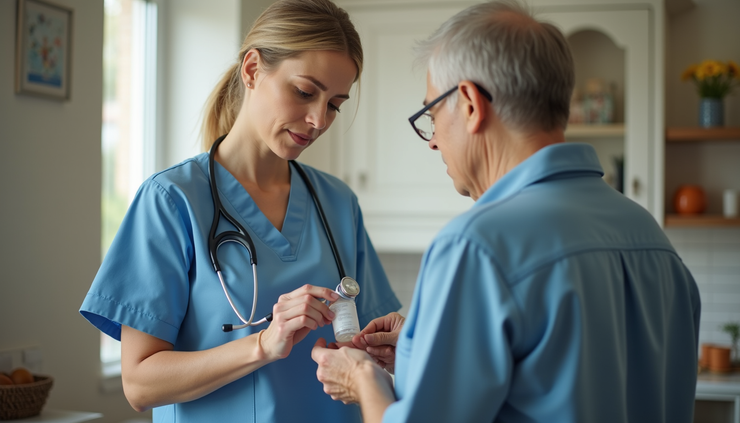
Certified Home Health Aides trained in medication management provide essential support by:
Organizing medications into daily or weekly pill organizers
Reminding seniors when to take each medication
Monitoring for side effects or changes in condition
Communicating with healthcare providers and family members about medication concerns
This careful oversight reduces medication errors and promotes adherence to prescribed treatments, which is key to managing chronic conditions like diabetes, hypertension, and heart disease.
How Certification Enhances Quality of Care
Certification ensures that home health aides have completed standardized training and passed competency exams. This training covers personal care techniques, infection control, emergency procedures, and medication assistance protocols. Certified aides understand the importance of confidentiality, respect, and ethical care.
Families and seniors can trust certified aides to provide safe, reliable, and compassionate support. Certification also means aides stay updated on best practices through continuing education, which improves care quality over time.
Real-Life Impact of CHHAs in Senior Homecare
Consider Mrs. Thompson, an 82-year-old with arthritis and early-stage dementia. She struggled to manage her medications and needed help with dressing and meal preparation. A certified home health aide provided daily personal care and medication reminders, preventing missed doses and reducing hospital visits. Mrs. Thompson’s family reported that her quality of life improved significantly, and she remained safely at home longer than expected.
Such examples highlight how CHHAs combine personal care and medication management to create a comprehensive support system tailored to each senior’s needs.
Choosing the Right Certified Home Health Aide
Selecting a CHHA involves more than checking credentials. Families should look for aides who:
Demonstrate empathy and patience
Have experience with specific health conditions relevant to the senior
Communicate clearly with both the senior and family members
Are reliable and punctual
Follow care plans and report changes promptly
Interviewing candidates and requesting references can help ensure a good match. Agencies that provide certified aides often conduct background checks and ongoing supervision, adding an extra layer of security.
Supporting Seniors Beyond Physical Care
Certified Home Health Aides also contribute to seniors’ emotional and social well-being. Many seniors face loneliness and depression, which can worsen health outcomes. A CHHA can provide companionship, engage in conversation, encourage hobbies, and support social activities. This holistic approach helps seniors feel valued and connected.
The Future of Senior Homecare with Certified Aides
As the senior population grows, demand for skilled homecare will increase. Certified Home Health Aides will remain central to delivering personalized, safe care that combines personal assistance with medication management. Advances in technology, such as electronic medication reminders and telehealth, will complement aides’ work, but the human touch will always be essential.
Families and healthcare providers should recognize the value of certified aides and advocate for their inclusion in care plans. Investing in quality homecare can reduce hospital readmissions, delay institutionalization, and improve seniors’ quality of life.
Call us to see how you can start with a caring Certified Home Health Aide for your loved ones.


Comments