

Senior Depression Statistics in NYC and How a Certified HHA Can Help
- 9 hours ago
- 8 min read
Depression in later life is common enough to affect thousands of New York City families, but it is still missed too often. An older adult may not say, “I feel depressed.” They may say they are tired, eating less, sleeping poorly, skipping calls, or no longer interested in the block, church, senior center, or routines that once mattered.
That matters in NYC because the city has a large and growing older population. NYC Aging has reported that New Yorkers age 60 and older make up roughly one in five city residents, or about 1.8 million people. Even if only a small share experience major depression, the number of affected seniors is large.
National data helps put the scale in context. The CDC has reported that major depression affects about 1% to 5% of older adults living in the community, and the rate is higher among those hospitalized or receiving home health care. Applied cautiously to NYC’s older population, that suggests tens of thousands of older New Yorkers may be living with depression, with higher risk among those who are homebound, medically fragile, recently bereaved, or socially isolated.
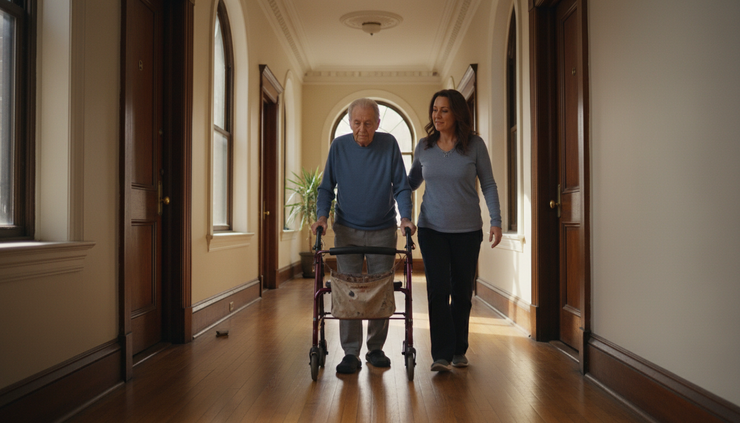
A certified Home Health Aide, often called an HHA, does not diagnose or treat depression. But a trained aide can notice changes early, reduce isolation, support healthy routines, and alert the family or care team when something seems wrong.

What the numbers say about senior depression in NYC
There is no single perfect number for depression among seniors in NYC because depression can be measured in different ways. Some surveys count a clinical diagnosis. Others count symptoms, such as persistent sadness, hopelessness, poor sleep, and loss of interest. Many older adults never receive a diagnosis at all.
Still, several reliable data points show why this issue deserves attention.
Statistic | What it means for NYC families |
NYC has about 1.8 million adults age 60 and older, according to NYC Aging. | Even a low rate of depression affects a large number of people. |
The CDC estimates major depression affects 1% to 5% of community-dwelling older adults. | In a city the size of NYC, that can mean tens of thousands of seniors. |
The CDC has reported rates around 13.5% among older adults who require home health care. | Seniors who need help at home may face a much higher risk. |
The World Health Organization reports that about 14% of adults age 60 and older live with a mental disorder, with depression and anxiety among the most common. | Mental health is a core part of aging well, not a side issue. |
Social isolation and loneliness are linked to higher risk of depression, cognitive decline, heart disease, and premature death, according to the National Academies of Sciences, Engineering, and Medicine. | A homebound senior in NYC may need more than task-based care. They may need consistent human contact. |
These figures are not meant to diagnose any one person. They show the scope of the problem. The link between depression, seniors, older adults, caregiver support, HHA services, and NYC resources is practical: depression often becomes visible through changes in daily life, and daily life is exactly where a home health aide spends time.
Why depression in older adults is often missed
Depression in seniors can look different from depression in younger adults. Some older adults do feel sadness and say so clearly. Others show changes that can be mistaken for “normal aging.”
Common warning signs include:
Losing interest in meals, hobbies, visits, or favorite TV programs
Sleeping much more or much less than usual
Neglecting bathing, grooming, laundry, or housekeeping
Moving more slowly or seeming unusually tired
Complaining often of pain, stomach issues, or headaches
Missing medications or medical appointments
Becoming irritable, anxious, withdrawn, or unusually quiet
Talking about being a burden
Giving away belongings or speaking as if life has no purpose
Depression is not a normal part of aging. The National Institute on Aging states that depression is a serious mood disorder, and it can happen alongside chronic illness, grief, disability, medication changes, or isolation.
In NYC, some everyday realities can increase the risk. A senior may live alone in an apartment after a spouse dies. An elevator outage can make leaving home difficult. Winter weather may keep a person inside. Adult children may live in another borough or work long shifts. A person who once walked to a senior center or place of worship may stop going after a fall.
The change can be gradual. A family member may notice only during a weekend visit. An HHA, by contrast, may see the person several times a week or every day. That regular contact can make a real difference.

How a certified HHA can help without crossing medical boundaries
A certified HHA is trained to support daily living and report concerns. In New York, home health aides complete state-approved training and competency requirements. Their work is usually supervised by a nurse or agency care team when services are provided through a licensed home care agency.
An HHA does not provide psychotherapy, diagnose depression, prescribe medication, or change a medical plan. That belongs to licensed mental health and medical professionals.
What an HHA can do is still powerful.
A certified HHA can notice patterns early
Depression is often easier to spot through patterns than through one conversation. An aide may notice that a senior who used to eat breakfast now leaves most food untouched. They may see that the person no longer opens mail, answers calls, changes clothes, or wants to sit by the window.
Because the aide provides regular care, they can notice:
Appetite changes
Sleep changes
Less conversation
More crying or irritability
Missed medication reminders
Poor hygiene
Safety concerns, such as leaving the stove on
Comments about hopelessness or wanting to die
A good aide reports these changes to the supervising nurse, care coordinator, or family contact. That report may lead to a doctor visit, medication review, mental health screening, or added support.
A certified HHA can support routines that protect mood
Daily structure matters. Research on depression care often includes regular sleep, nutrition, movement, medication adherence, and social connection as important supports. These do not replace treatment, but they can help stabilize daily life.
An HHA may help by:
Preparing simple, appealing meals
Encouraging fluids if allowed by the care plan
Reminding the person to take medications as directed
Helping with bathing and dressing
Keeping the home safer and less overwhelming
Supporting light movement, such as walking inside the apartment or building, if approved
Helping the person get ready for appointments
Encouraging familiar routines, such as music, prayer, reading, or phone calls
For example, an older adult with arthritis and low mood may stop cooking because standing hurts. Poor nutrition then worsens fatigue. An HHA can prepare meals within the care plan, keep the kitchen safe, and encourage the person to eat at regular times. That simple support can reduce one cycle that makes depression harder.
A certified HHA can reduce isolation
Loneliness is not just unpleasant. The National Academies report on social isolation and loneliness in older adults found links to serious health risks, including depression, dementia, heart disease, and earlier death.
Many NYC seniors live alone. Some have family nearby but still spend long hours without meaningful contact. A home health aide may be the person who notices whether the senior speaks to anyone else that day.
Helpful companionship can include:
Conversation during meals
Reading mail together, without making financial decisions
Helping the person call a family member
Encouraging attendance at a senior center, adult day program, or faith community if safe
Accompanying the person on short walks if included in the care plan
Noticing when the person refuses all contact
Companionship should never be treated as “extra.” For a homebound senior, it can be one of the most important parts of care.
When depression symptoms need urgent help
Some signs require immediate action. If an older adult talks about suicide, wanting to die, having no reason to live, or being a burden, take it seriously.
Call or text 988 in the United States for the Suicide and Crisis Lifeline. In New York City, 988 also connects people to mental health crisis support. If there is immediate danger, call 911 or go to the nearest emergency room.
An HHA should report urgent warning signs right away according to agency policy and the care plan. Family caregivers should also contact the person’s doctor, mental health provider, or emergency services when safety is at risk.
Other issues that should be reported quickly include:
Sudden confusion
Refusing all food or fluids
New hallucinations or paranoia
Major medication mistakes
Falls or unexplained injuries
Threats of self-harm
Unsafe living conditions
Depression can overlap with other medical problems. Thyroid disease, vitamin deficiencies, dementia, medication side effects, grief, pain, infection, and sleep disorders can all affect mood and behavior. A medical evaluation can help sort out what is happening.
What families should look for in a certified HHA
The right aide is not only reliable with tasks. The right aide is observant, respectful, and communicative.
When choosing home care support, families can ask about:
Certification and training
Confirm the aide has completed the required HHA training and is working through a proper agency or approved care arrangement.
Supervision
Ask who supervises the aide, how concerns are reported, and how the care plan is updated.
Experience with older adults
Experience with dementia, mobility issues, chronic illness, grief, or homebound seniors can matter.
Communication style
A strong aide can describe changes clearly. For example, “She ate half her oatmeal three days this week,” is more useful than, “She seems off.”
Cultural and language fit
NYC is diverse. Language, food preferences, religious routines, and cultural comfort can affect trust and cooperation.
Backup coverage
Missed visits can be hard on seniors who rely on help for meals, bathing, and medication reminders. Ask how backup care works.
A family should also share key details with the aide and agency. These may include usual mood, favorite foods, normal sleep habits, important contacts, doctor information, hearing or vision needs, and known triggers for anxiety or sadness.

How an HHA fits into a larger depression care plan
Depression care works best when the people involved communicate. A certified HHA may be one part of a larger circle that includes the senior, family, doctor, nurse, therapist, social worker, and community programs.
A practical care plan may include:
A primary care visit to discuss mood, sleep, pain, appetite, and medications
A depression screening, such as the PHQ-9, if used by the clinician
A medication review
Counseling or therapy when appropriate
Treatment for pain, sleep problems, or chronic illness
Meals, transportation, and home safety support
Regular social contact
Clear reporting steps for the HHA
For NYC seniors, local supports may include primary care clinics, geriatric practices, senior centers, case management programs, meal services, caregiver support programs, and 988 crisis counseling. Availability depends on eligibility, insurance, neighborhood, and care needs.
A home health aide helps make the plan real at home. For example, a doctor can recommend regular meals and medication adherence, but someone still has to help if the senior cannot shop, cook, open bottles, or remember the schedule. A therapist can encourage social connection, but an aide may help the person get dressed and safely leave the apartment.
That bridge between the care plan and daily life is where an HHA often helps most.
A practical takeaway for NYC senior care
Senior depression in NYC is not rare, and it is not always obvious. With about 1.8 million New Yorkers age 60 and older, even conservative national estimates point to a serious public health issue. The risk rises for seniors who are homebound, isolated, grieving, medically ill, or receiving home health care.
A certified HHA cannot replace a doctor or therapist. But the aide can notice changes, support routines, reduce isolation, and report concerns before a crisis grows. For many older adults, that steady presence at home is what makes care possible.
If a loved one needs support with daily care, companionship, or watchful help at home, visit PSS Home Care to learn more about available services.
This article is for general information only. It is not medical advice. For symptoms of depression, contact a licensed health care professional. For urgent mental health support in the U.S., call or text 988.


Comments